

Winter doesn’t have to mean packing your canoe away until spring. In fact, for experienced paddlers, canoeing in winter can be a peaceful and rewarding way to enjoy the river — fewer people, crisp air and a completely different perspective on the landscape.
That said, colder months bring extra challenges. Shorter days, colder water and changeable conditions mean preparation is essential. Whether you’re heading out for a gentle paddle or building confidence for colder conditions, this guide covers everything you need to know about canoeing in winter safely.
1. What to wear when canoeing in winter
One of the most common questions we get is “what to wear canoeing in winter” — and for good reason. Staying warm and dry is critical.
Dress for the water temperature, not the air temperature. If you capsize, the water will feel much colder than the air.
- Wear layers: A thermal base layer, insulating mid-layer and waterproof outer layer work best. Avoid cotton, as it holds moisture.
- Footwear matters: Neoprene boots or old trainers with thermal socks help keep your feet warm and provide grip on slippery banks.
- Always wear a buoyancy aid: Make sure it fits correctly and is worn at all times, even on calm stretches.
2. Bring a dry bag
A dry bag is essential when canoeing in winter. It allows you to carry:
- Spare warm clothing
- A towel
- Snacks and a hot drink
- Your phone in a waterproof case
If you do end up getting wet, having dry clothes can make a huge difference.
3. Plan your route
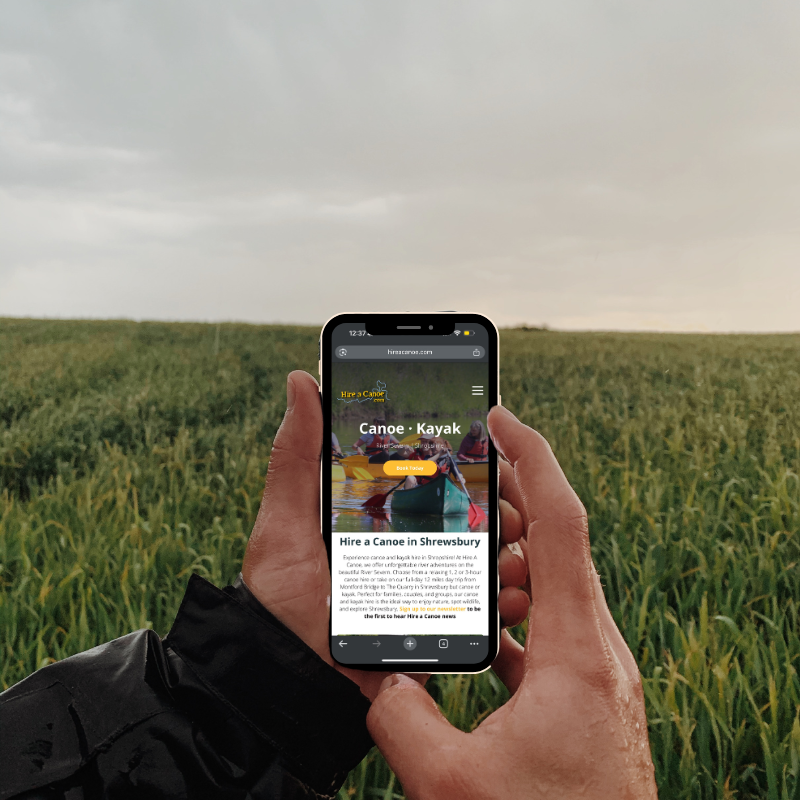
Winter paddling requires more route planning than summer canoe trips.
- Check the weather forecast before you leave and again on the day.
- Choose a winter-friendly route — sheltered stretches with easy access points are better than long, exposed sections.
- Shorter daylight hours mean you should plan to finish well before dusk.
If you’re paddling alone, planning becomes even more important.
4. Let someone know your route
Always let someone know where you’re launching, your planned route and what your expected finish time is. This is especially important for solo paddlers, but it’s good practice for everyone.
5. Check water levels
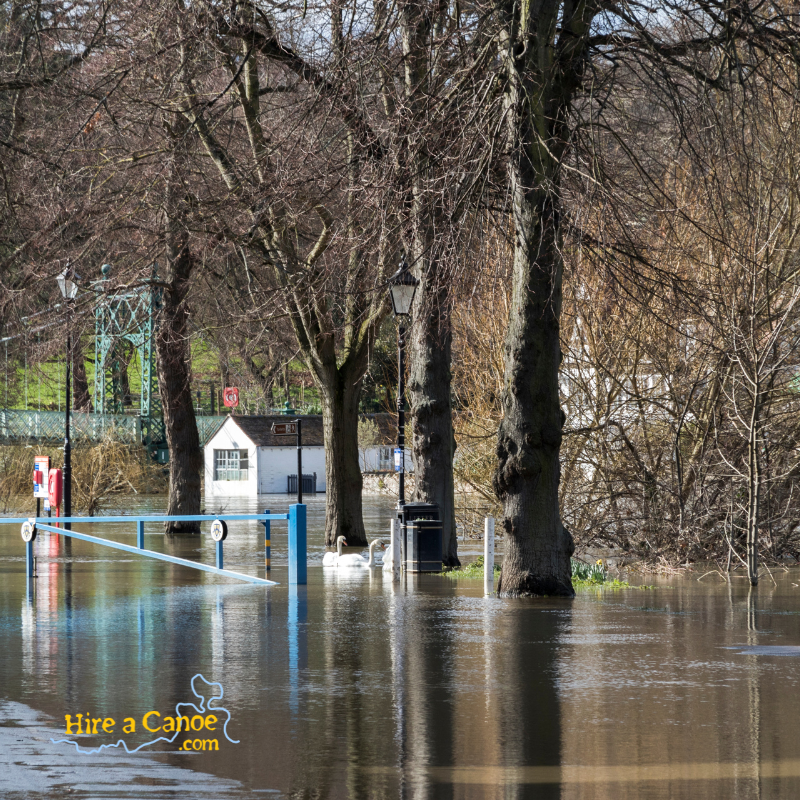
High water levels are one of the biggest winter hazards.
- Fast-flowing water can be difficult to control, even for confident paddlers.
- Features like weirs and bridges become more dangerous in high flow.
- If water levels are higher than normal, it’s usually best not to paddle.
6. Use a suitable launch point
Slips and falls are more common in winter.
- Avoid icy, muddy or steep banks.
- Look for stable, shallow launch points.
- Take your time getting in and out of the canoe — rushing increases the risk of falling into cold water.
Canoeing in winter can be incredibly rewarding, but it’s not something to take lightly. Good clothing, careful planning and honest decision-making are what turn a cold-weather paddle into an enjoyable one.
If conditions don’t feel right, there’s no harm in waiting for another day. The river will still be there.
Leave a Reply
You must be logged in to post a comment.